
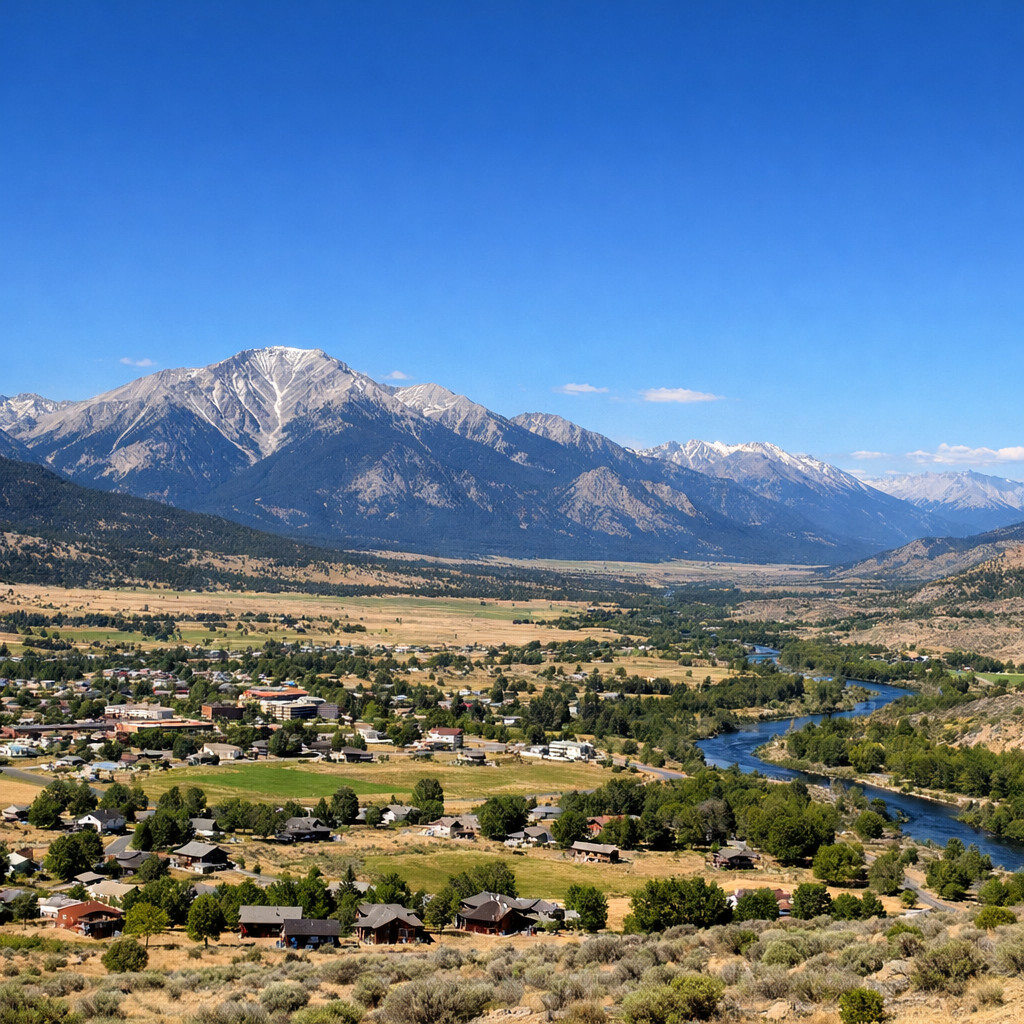
Buena Vista, nestled in the heart of Colorado’s Rocky Mountains, boasts a unique climate that significantly influences the lifestyle and activities of its residents. Understanding these weather patterns is essential for both newcomers and long-time locals.
Seasonal Temperature Variations
Buena Vista experiences a semi-arid climate characterized by significant temperature fluctuations between day and night. Summers are warm, with average high temperatures reaching around 80°F (27°C) in July, while winters are cold, with average lows dipping to approximately 9°F (-13°C) in January. This substantial diurnal temperature variation is typical due to the town’s elevation and dry air.
Precipitation and Snowfall
The town receives an average annual precipitation of about 14 inches (356 mm), with August being the wettest month, averaging 1.9 inches (48 mm) of rainfall. Snowfall is a significant aspect of Buena Vista’s climate, averaging 71 inches (180 cm) per year, with March typically being the snowiest month.
Sunshine and Humidity
Buena Vista enjoys approximately 264 sunny days per year, providing ample opportunities for outdoor activities. The humidity levels are generally low, contributing to the town’s comfortable climate.
Impact on Local Activities
The distinct climate of Buena Vista shapes the local lifestyle and recreational opportunities. The warm, dry summers are ideal for hiking, mountain biking, and whitewater rafting on the Arkansas River. In contrast, the snowy winters attract enthusiasts for skiing, snowshoeing, and other winter sports. The abundant sunshine year-round supports a vibrant outdoor culture, making Buena Vista a haven for nature lovers and adventure seekers alike.
Understanding these climatic patterns allows residents and visitors to fully embrace and prepare for the diverse experiences that Buena Vista offers throughout the year.