

By Emma Martinez
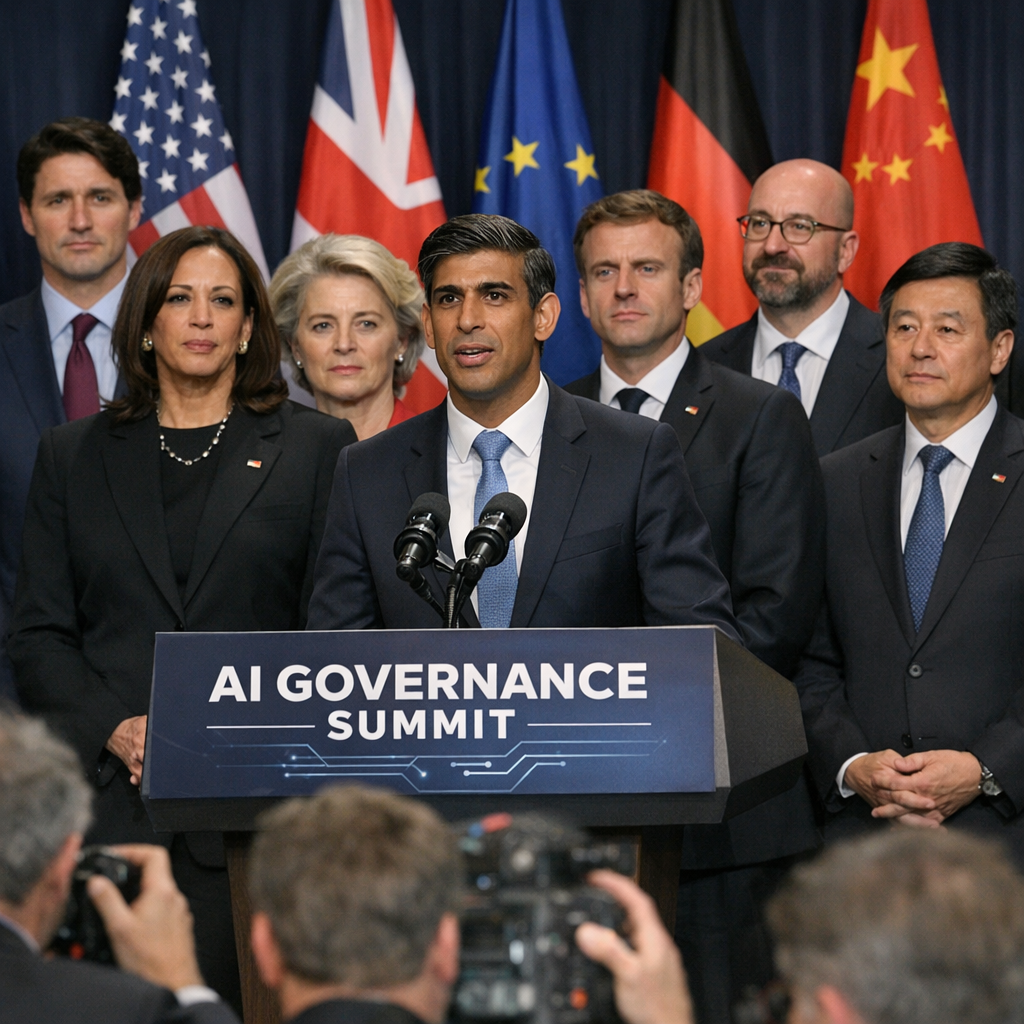
As artificial intelligence (AI) grows more powerful and pervasive, governments, tech companies, and civil society are grappling with how to govern it responsibly. Unique global efforts are underway—but major tensions remain over who writes the rules and whose values they reflect.
What global AI governance means
At its core, AI governance refers to the systems, laws, norms, and institutions that guide how AI is developed and deployed. It touches everything from privacy and labor rights to public safety and international security. With AI’s impact spilling across borders, many argue governance must be global rather than purely national.
The United Nations stepping in
The United Nations has boosted efforts to coordinate AI policy through its Global Dialogue on AI Governance, a follow-up to its 2024 Global Digital Compact. The aim: bring countries, businesses, and civil society together to forge inclusive frameworks that span regions and values. These dialogues provide forums for sharing experiences and best practices. But success depends on whether they can move beyond discussion and into consistent implementation.
Key fault lines in global AI policy
There are growing gaps in how nations approach regulation. Some emphasize strong oversight and risk mitigation, prioritizing ethics, privacy, and protection of individual rights. Others prioritize innovation, competitive advantage, or national security. These differences can lead to conflicting or fragmented rules that complicate international cooperation.
Particularly, major powers like the U.S., EU member states, and China are taking different paths. The EU has pushed forward comprehensive rules aiming to ensure safety, transparency and accountability. The U.S. has weighed regulatory caution against fostering innovation. Meanwhile, China is focused on tech self-sufficiency, norms around data sovereignty, and control over infrastructure.
Why it matters for people everywhere—including here in Colorado
Because AI tools developed elsewhere often reach users globally, the choices made in distant capitals can affect your privacy, the information you see, or whether certain technologies are accessible. Colorado’s own tech industry, policy makers, and citizens will be influenced by international standards—especially regarding data transfer, content moderation, and AI in health care or public services.
Governance isn’t just about restriction. It’s also about shaping AI in a way that aligns with shared values—fairness, human rights, societal benefit—and ensuring innovation serves the many, not just the few.
How global coordination could strengthen AI governance
• Developing common norms and definitions (e.g., what counts as “safe” AI, or even “explainable”) to reduce regulatory surprises.
• Encouraging mutual recognition of regulatory decisions to ease trade and collaboration.
• Including voices from the Global South, Indigenous communities, and vulnerable groups to ensure rules are just and inclusive.
• Building enforcement mechanisms that apply across borders—not just statements of intent.
Global AI governance is still a work in progress. Where it lands will shape not only the future of technology, but the kind of world we live in. In that light, staying informed—and engaged—is more important than ever.